The Cody Roberts Case — and What Comes Next
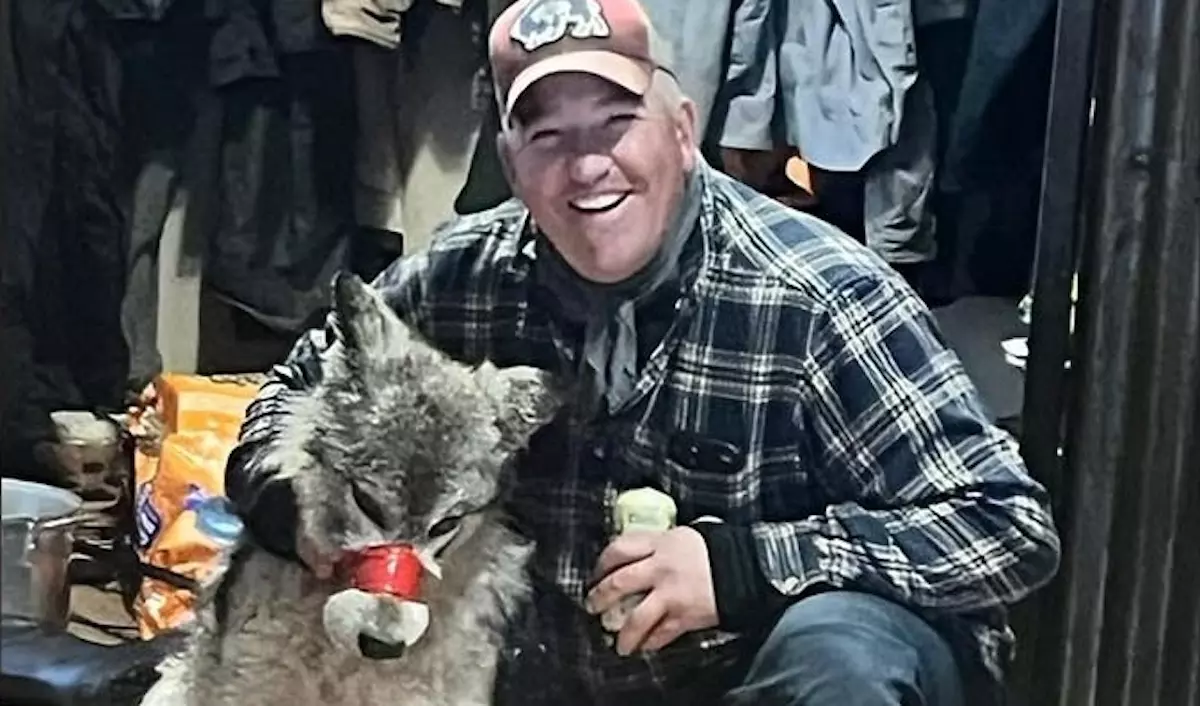
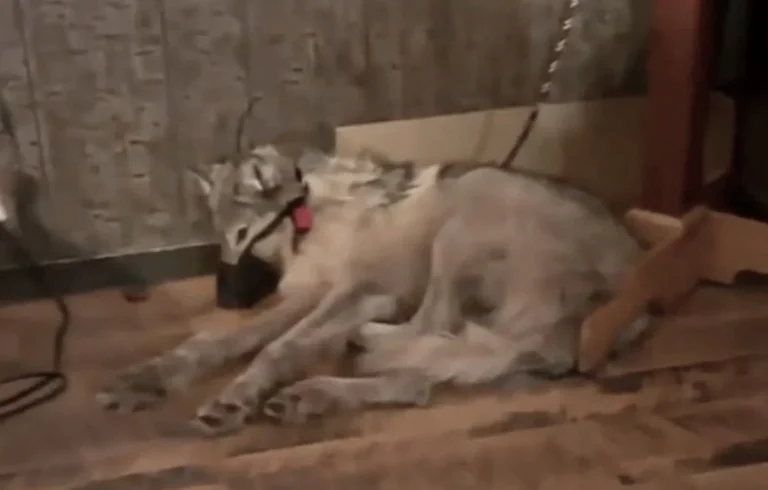
In a case that made worldwide headlines, Roberts ran over, trapped, publicly tormented, and then killed a young female wolf. Here’s the latest on his criminal case.
By Kate Chupka Schultz
The savage killing of a wolf in Wyoming last year—and the criminal charges now facing Cody Roberts—sparked national outrage and renewed scrutiny of how animal cruelty laws are enforced, interpreted, and applied. With Mr. Roberts now indicted and a trial currently scheduled for March 9, many supporters of animal protection are understandably asking: What exactly is happening in this case, and what comes next?
Criminal proceedings can be confusing even in routine cases, and this one is anything but routine. State-specific rules, unfamiliar legal terminology, and the slow pace of the courts can make it difficult for non-lawyers to understand where a case stands and why prosecutors have taken certain steps. The overview below explains the process in plain terms—how the case reached this point, what the charges mean, and which legal questions may shape the outcome—while keeping one foundational principle firmly in view: Mr. Roberts is presumed innocent unless and until proven guilty in a court of law.
Understanding the Charges and the Process
Criminal justice procedures vary from state to state, but there are broad similarities nationwide. One of the most important distinctions is between misdemeanor offenses and felony offenses. Felony charges are more serious and require prosecutors to meet additional requirements before a case can proceed to trial.
The most significant of these requirements is proving probable cause (a legal standard meaning that sufficient evidence exists for a reasonable person to believe a crime has been committed) in a formal legal proceeding. Prosecutors typically establish probable cause in one of two ways: through a grand jury indictment or through a preliminary probable cause hearing before a judge.
Nationally, the most common route is a grand jury proceeding. In that process, prosecutors present evidence in a closed session to a group of citizens drawn from the community. If the grand jury concludes that probable cause exists, it returns an indictment, formally authorizing the charges to move forward.
Wyoming, however, uses both approaches. It is noteworthy, then, that these prosecutors chose to seek a grand jury indictment rather than proceed through a probable cause hearing before a judge.
Why Prosecutors Used a Grand Jury
There are several reasons prosecutors may choose a grand jury process, particularly in a case like this one.
First, grand juries are composed of members of the public, reinforcing that the decision to advance felony charges is not made by law enforcement alone. Second, grand jury proceedings are secret, which can be critical in cases where witnesses may be hesitant to cooperate or testify publicly. Local and national reporting has suggested that investigators initially faced challenges securing cooperative witnesses, and the confidential nature of a grand jury may have helped overcome that barrier.
In addition, prosecutors in this case used a pre-arrest grand jury presentment, a less common but strategically significant approach. Rather than arresting and charging a suspect first and then testing the case in court, prosecutors may present evidence to a grand jury before any arrest occurs. This allows them to ensure that felony charges can survive legal scrutiny before formally initiating the case.
This approach is often used in complex, sensitive, or high-profile cases—such as public corruption or organized crime investigations—where prosecutors want to establish a strong legal foundation before taking irreversible steps. Once a grand jury returns a “true bill,” indicating that probable cause exists, prosecutors can proceed with greater confidence that the charges are legally sound.
Arraignment and the Trial Timeline
After the grand jury returned an indictment on August 20, Mr. Roberts was formally charged in court. He entered a not guilty plea at his arraignment on November 10. Such a plea is entirely expected at this stage; defendants typically wait to review evidence, file pre-trial motions, and assess the strength of the prosecution’s case before making any decisions about resolution.
The local prosecuting attorney has taken a different view, arguing that the hunting exemption does not apply because Mr. Roberts was not engaged in lawful hunting activity.
At the arraignment, the court set a trial date of March 9, 2026, with five days reserved for proceedings. In the months leading up to trial, the parties will engage in discovery, the process by which prosecutors must disclose their evidence to the defense.
What Happens Next—and What Is Uncertain
Most criminal cases in the United States do not go to trial. In federal courts, as many as 98% of cases in a given year are resolved through plea agreements rather than jury verdicts. State court rates may be slightly lower but are still very high, though the rates can vary widely by jurisdiction, caseload, and local practice.
Whether this case proceeds to trial or ends in a plea agreement is impossible to predict. High-profile cases with unusual facts often defy statistical norms, and strategic considerations on both sides can shift as evidence is reviewed and legal arguments are tested.
If the case does go to trial, one key decision will be whether it is heard by a jury or by a judge alone in a bench trial. In a jury trial, jurors determine the facts while the judge resolves legal issues. In a bench trial, the judge decides both. Defendants sometimes prefer bench trials in cases involving intense public attention, while others opt for juries in hopes that at least one juror may harbor reasonable doubt. Each option carries risks and advantages.
The Central Legal Question: Wyoming’s Animal Cruelty Law
One of the most consequential aspects of this case involves the interpretation of Wyoming’s felony animal cruelty statute. Wyoming law includes exemptions related to hunting and the treatment of certain wildlife classified as “predatory animals.” The Wyoming Game & Fish Department, the state agency that regulates wildlife and hunting, initially interpreted the statute in a way that would preclude felony animal cruelty charges under these circumstances.
The local prosecuting attorney has taken a different view, arguing that the hunting exemption does not apply because Mr. Roberts was not engaged in lawful hunting activity. Courts will ultimately determine which interpretation prevails, and experienced legal minds can disagree—particularly in cases involving novel factual scenarios. (This legal question is set to be resolved soon, since there is a court hearing on this issue scheduled for the end of January.)
In any case, since the incident, the Wyoming Legislature has amended the statute to clarify that torturing, tormenting, or mutilating wildlife, including predatory animals, constitutes felony animal cruelty.
Evidence, Witnesses, and the Limits of Assumptions
Even when alleged conduct appears to be captured on video, like in this case, criminal prosecutions are rarely straightforward. Videos must be authenticated, typically through witness testimony, before they can be admitted as evidence. Witness testimony presents its own challenges, too; for example, witnesses may be reluctant to testify, might change their accounts, or can be portrayed as unreliable by a skilled defense attorney.
If a case depends heavily on a small number of witnesses, prosecutors face additional challenges. A single evidentiary ruling or a witness’s refusal to testify can weaken or even derail a prosecution. For that reason, outcomes that seem obvious from the outside can look very different from inside a courtroom.
Why This Case Still Matters
From a legal standpoint, the Roberts case is both unusual and consequential. Regardless of the final outcome, the filing of felony charges itself reflects a notable willingness to enforce the fullest scope of animal cruelty laws and to hold individuals accountable for extreme acts of cruelty toward animals.
Moreover, the legislative changes prompted in Wyoming ensure that future acts involving the torture or mutilation of wildlife fall clearly within the state’s felony animal cruelty framework. In that respect, the case has already contributed to stronger legal protections for animals and greater clarity for enforcement authorities moving forward.
The author is senior attorney for Animal Wellness Action and the Center for a Humane Economy. She is a former prosecutor who specialized in animal cruelty cases.