The Whole Milk for Healthy Kids Act was signed into law January 2026. The legislation includes key provisions of the Freedom in the School Cafeterias and Lunches (FISCAL) Act, a reform effort led by Animal Wellness Action with our sister organization the Center for a Humane Economy, and our partners at Switch4Good.
The Issue
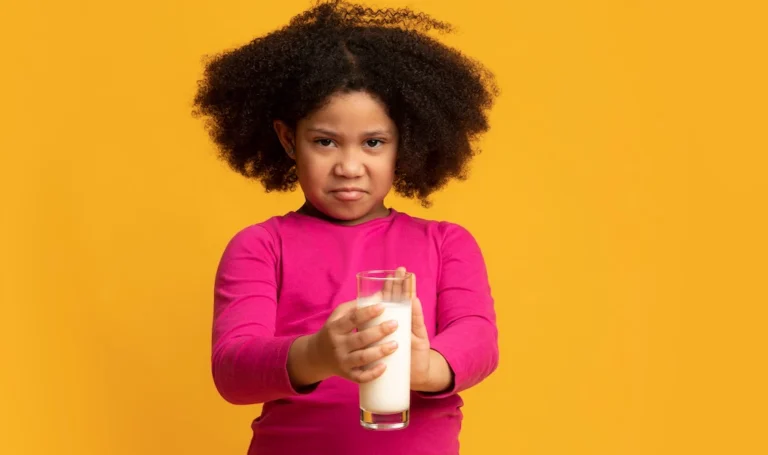
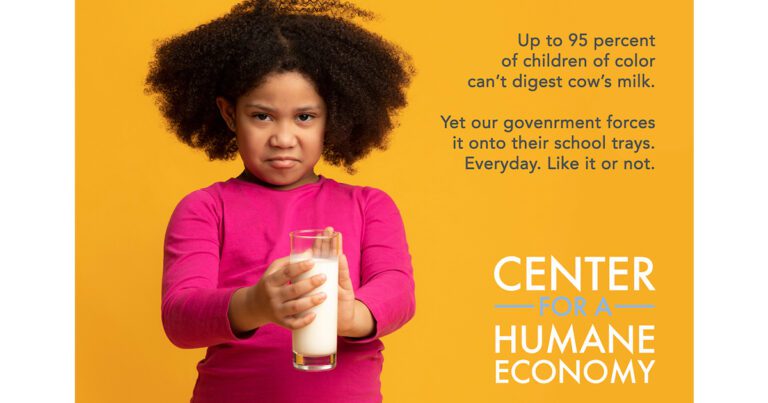
The National School Lunch Program has a “milk mandate” for children who qualify for the nutrition assistance program (30 million kids are provided with lunch, and 15 million with breakfast). The problem is, millions of kids who participate in the program are lactose intolerant, and dairy milk makes them sick, causing many of them to throw the milk away or to drink it and risk illness. Kids need a choice, and soymilk has been recognized under the American Dietary Guidelines. Soy is one of the biggest agricultural sectors in the U.S., with more than 500,000 farmers who’d like to see their product offered in the schools.
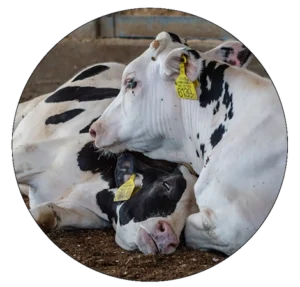
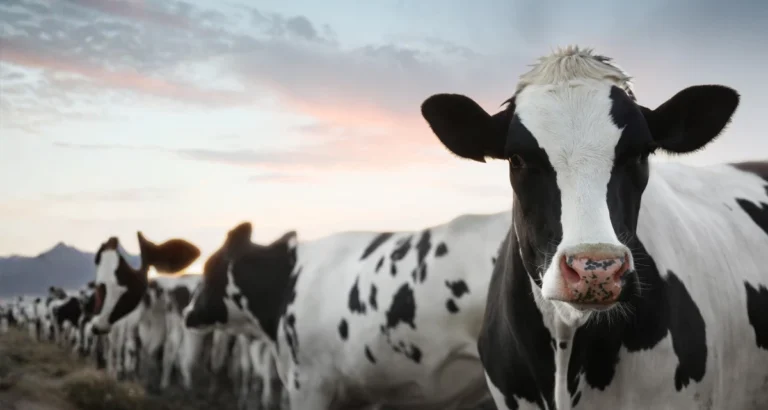
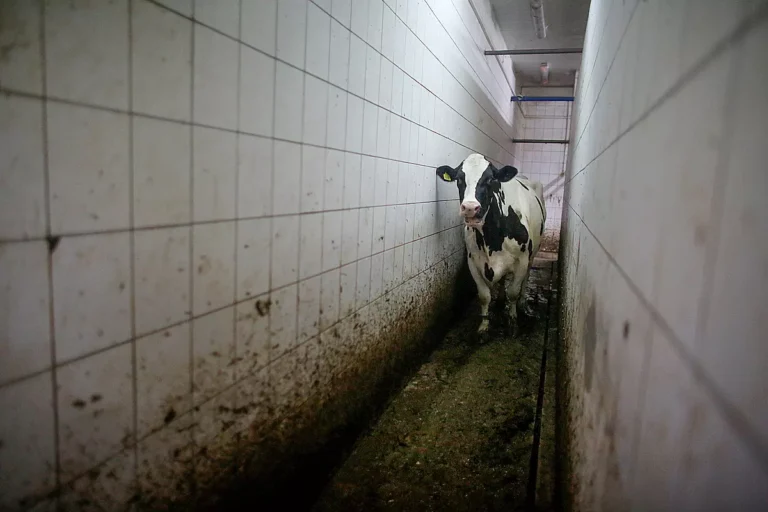
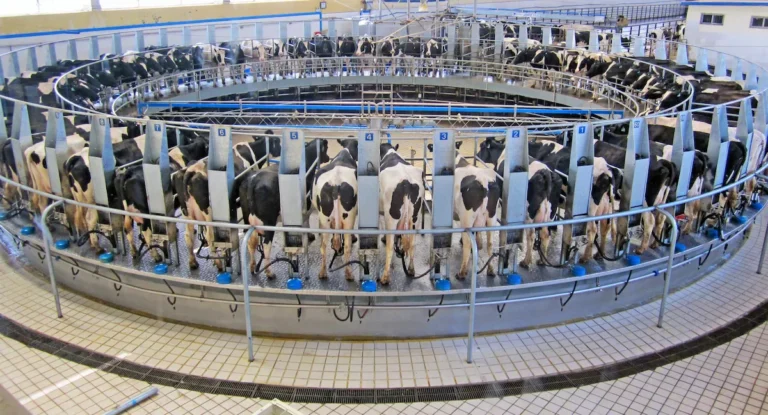
Not only does the program waste $300 million in taxpayer dollars every year, but it ignores the sacrifices of the cows who produce the milk. A cow on an industrial farm produces 22,500 pounds of milk in a year (more than three times the volume that a cow produced decades ago), with the animals often suffering from foot, leg, and mammary problems, with nearly half of cows having inflammation of their udders (mastitis).
The Solution
President Trump signed S. 222 — the Whole Milk for Healthy Kids Act — into law. The legislation includes key provisions of the Freedom in the School Cafeterias and Lunches (FISCAL) Act, a reform effort led by Animal Wellness Action with our sister organization the Center for a Humane Economy, and our partners at Switch4Good.
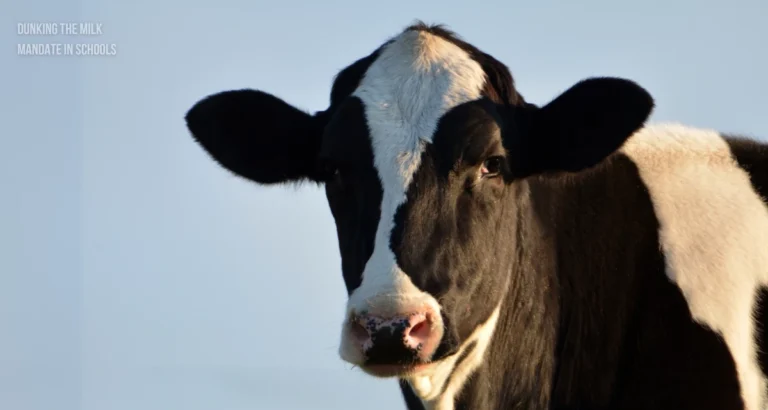
After its 80-year run, the cow’s milk mandate in the National School Lunch Program is finally coming to a close. This law represents the most significant break yet from the longstanding rule that only cow’s milk could be served with federally subsidized school meals.
For decades, Washington enforced a heavy-handed intervention in dietary choices — granting a monopoly to the dairy industry. This produced extraordinary waste — of food, of taxpayer dollars, and of the physical labor demanded from cows bred for unimaginably high yields of milk. Today’s Holsteins produce six to seven times more milk each year than they did when this mandate was created in the 1940s. That level of output comes with steep animal-welfare costs, contributing to lameness, chronic joint problems, downer cows, and early slaughter. These animals should not endure such hardships just to see the milk they produce poured down a drain or tossed into a trash bin.