

Advocates warn of heightened risks to pets, tethered dogs, farm animals, and thousands of cockfighting roosters—especially in Southern states unaccustomed to prolonged extreme cold
Washington, D.C. — Animal Wellness Action, a national animal protection advocacy organization, today issued an urgent call to animal owners and caretakers to take immediate action to safeguard animals amid the rapidly intensifying winter storm sweeping across the United States. Millions of Americans are under winter weather alerts as Winter Storm Fern—a system of heavy snow, freezing rain, and record cold—expands from Texas to the Northeast.
“With frigid temperatures and widespread ice and snow forecast through this weekend, the threat to animals—from family pets to farmed livestock—is extreme,” said Wayne Pacelle, president of Animal Wellness Action. “This storm is not just a human emergency. Animals who cannot speak for themselves are uniquely vulnerable, especially in southern states where such cold is rare and preparedness approaches are often limited.”
Pets Need Safe Shelter, Warmth, and Vigilance
As temperatures plunge well below freezing across wide swaths of the country, pet owners are urged to bring dogs, cats, and other companion animals indoors and to prepare for multi-day cold exposure. Outdoor pets can succumb to hypothermia, frostbite, dehydration, and starvation when food and water freeze. Extra nourishment and regularly checked, unfrozen water sources can help pets generate body heat and maintain hydration.
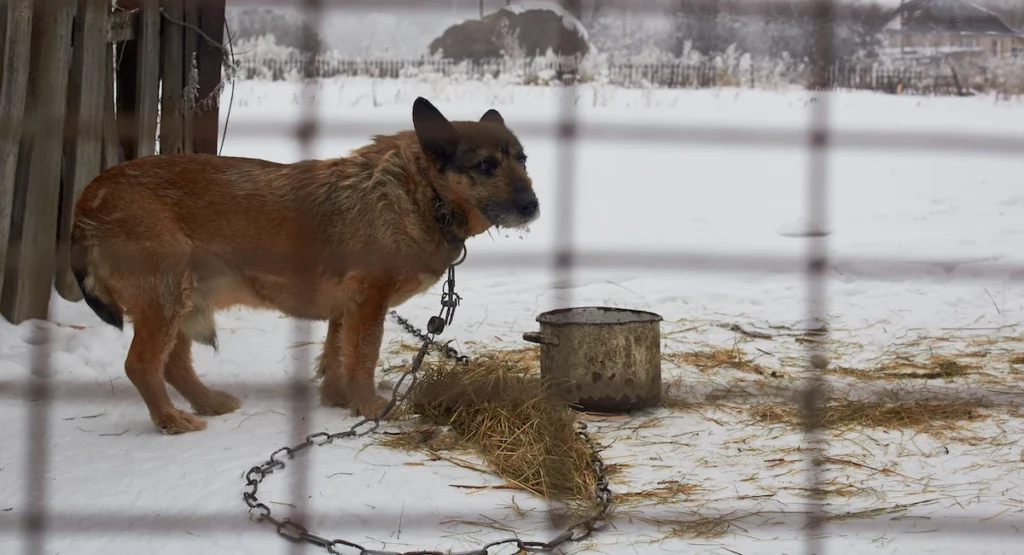
Tethered Dogs Face Acute Danger
Animals left tethered outdoors are at heightened risk. Cold winds, ice buildup, and frozen ground can immobilize tethered dogs and prevent them from seeking shelter. Owners who tie dogs outside must reconsider this practice during extreme weather, provide insulated and elevated shelter off frozen ground, and ensure the animal’s ability to exit and re-enter as weather fluctuates.
Cockfighting Roosters Exposed to Severe Cold
More than 20 million roosters kept outdoors for cockfighting—an inherently cruel and exploitative practice—face a life-threatening environment without adequate shelter, food, or insulation. These animals are typically housed outdoors with minimal protection and can suffer rapidly fatal cold stress when temperatures remain below freezing for prolonged periods. The groups call on enforcement authorities to ensure that all such animals are provided immediate and humane shelter and care during this extreme weather event.
Special Urgency for Farm Animals, Southern States
With severe winter storms and prolonged low temperatures forecast across the Southern states, including temperatures expected to drop into single digits, with many areas falling below zero over the next seven days—immediate and sustained attention to animal care is essential.
Animals in these regions are not acclimated to such extreme cold, making them especially vulnerable to hypothermia, frostbite, dehydration, and weakened immune systems. Access to unfrozen water is one of the most critical—and often overlooked—needs during extreme cold. When water freezes, animals drink less, sharply increasing the risk of dehydration, colic, and other life-threatening conditions.
All water sources must be checked frequently and kept ice-free using heated buckets, trough heaters, or regular replacement. Adequate shelter that blocks wind and moisture, dry bedding, and increased nutrition are also vital, as animals burn far more energy simply trying to stay warm in sub-freezing conditions.
“Farm animals and horses require particular vigilance during this dangerous cold spell,” said Desiree Bender, Arkansas state director for Animal Wellness Action. “Livestock need dependable windbreaks, increased feed, and continuous access to liquid water to maintain body heat. Horses, even with thick winter coats, face serious risk when temperatures plunge, especially in wet or windy conditions.”
Ample forage (hay) is critical, she said, as digestion generates internal heat, while frozen water can quickly lead to dangerous impaction colic.
Especially in areas where animal caretakers are unaccustomed to arctic weather, shelter animals and companion pets are equally at risk, including puppies, kittens, seniors, and medically fragile animals. Dogs with short coats, small breeds, and compromised animals must be brought indoors. For animals that remain outdoors, enclosures must be dry, draft-free, and appropriately sized to retain warmth, lined with thick straw bedding, and water checked multiple times a day to ensure it has not frozen. These proactive measures over the coming week are essential to prevent suffering and save lives during this unprecedented Southern cold.
Senior Veterinarian Calls for Immediate Animal Care During Cold Emergency
Animal Wellness Action urges all animal caretakers to heed weather advisories, prepare shelters and supplies in advance, and work with local rescue groups to ensure at-risk animals are accounted for. Humane societies, animal control agencies, and volunteer networks can be vital partners in distributing supplies and coordinating safe havens for animals who cannot be sheltered in place.
“When wind chills drop below 0°F, winter weather shifts from uncomfortable to life-threatening for livestock and poultry,” said Dr. Jim Keen, DVM, PhD, senior veterinarian for Animal Wellness Action. “During extreme cold, animals don’t die from snow: they die from wind chill and lack of calories. Unlimited access to energy-dense feed and a place to get out of the wind are the most effective, immediate steps owners can take to keep livestock and poultry alive during severe winter storms.”
All Animal Wellness Action experts are available for interviews today and throughout the weekend. To arrange an interview or for additional information about preparing animals for winter weather, please contact Lindsey von Busch at 732-284-9089 or lindsey@animalwellnessaction.org.