Extremist Hunting Groups Want a Free-For-All in Passing Amendment 83 in Colorado
As Europe moves to phase out lead shot ammunition, trophy-hunting interests are trying to write “traditional methods” of killing wildlife into Colorado’s constitution.
- Wayne Pacelle
Up for a vote now is Amendment 83 — an add-on to the Colorado Constitution formulated by Safari Club International (SCI), the Colorado Trappers and Predator Hunters Association, and other ideologues to bring back steel-jawed leghold traps and bear baiting outlawed by voters a generation ago. It also seeks to stymie any future limits on killing wildlife for commerce or sport. Animal Wellness Action and the Center for a Humane Economy are leaders of a broad-gauge coalition seeking to defeat Amendment 83.
One flashpoint in the running debate over special constitutional protections for hunting and trapping concerns the use of lead ammunition in sport hunting. The reflexive defense by SCI and its co-conspirators of continued dispersal of toxic lead provides a case study in why Amendment 83 is such a danger to democratic and science-influenced wildlife decision-making.
On October 8, the European Parliament cleared the way for the European Union to phase out lead shotgun ammunition used in hunting and outdoor recreational shooting. Building on Europe’s 2023 restriction on lead shot in wetlands — where ducks, geese and other birds are poisoned by spent lead pellets — the new measure would extend protections across terrestrial habitats. The regulation provides a seven-year transition period, giving ammunition manufacturers, retailers, hunters, and shooting organizations time to plan.
According to the European Chemicals Agency, approximately 44,000 metric tons of lead enter the European Union’s environment annually from recreational shooting, hunting, and fishing. Without additional restrictions, these activities could deposit approximately 876,000 metric tons over the next two decades.
The European restrictions do not cover all lead ammunition, notably excluding rifle bullets and shotgun slugs. Nevertheless, they represent an advance in lowering lead use in favor of other elements and alloys with comparable or superior ballistic properties.
A Consensus Among Scientists on the Perils of Lead
Lead is a potent neurotoxin, and the U.S. Centers for Disease Control and Prevention confirms there is no safe level of exposure for people or animals. It’s been removed from toys, gasoline, paint, and other commercial uses, but only on a very limited basis from hunting because of that community’s rigid commitment to “traditional methods” of hunting.
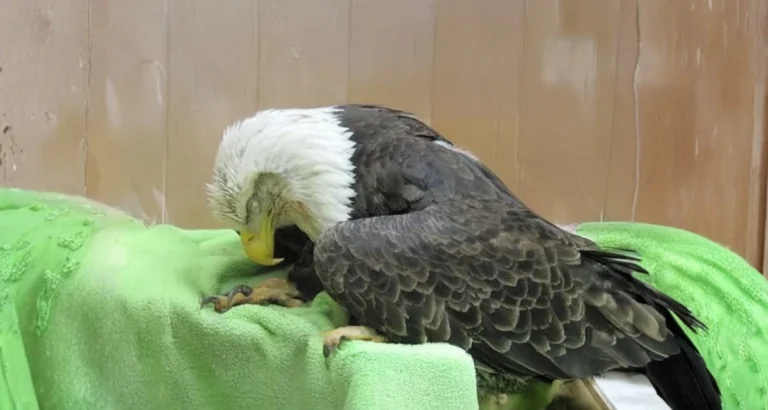
Spent shotgun pellets can be swallowed by birds and other wildlife, and lead rifle bullets can fragment into tiny particles when they strike an animal and also get into the food chain. Those fragments embed in carcasses and gut piles consumed by eagles, hawks, ravens, condors, and other scavengers. They also contaminate game meat consumed by hunters, their families and friends, and people who receive donated game meat at food banks.
Dr. Michael Kosnett, a Colorado medical toxicologist, has warned that lead ingestion can contribute to adverse reproductive outcomes and cardiovascular disease, in addition to its well-established damage to children’s neurological development. Dr. Mark Pokras, a veterinarian who has conducted necropsies on thousands of wild birds, warns that even X-raying game meat cannot reliably eliminate the risk of ingesting lead fragments. There are 600-plus peer-reviewed studies documenting these concerns, and an October 13 press release from Animal Wellness Action and the Center on this subject cites experts across Colorado who agree that lead is a hazard that should be mitigated by switching to nontoxic shot and bullets.
A generation ago, over the objections of the NRA and other primary backers of Amendment 83, the U.S. Fish and Wildlife Service prohibited lead shot for waterfowl hunting nationwide. Researchers subsequently documented substantial reductions in lead poisoning among ducks and geese, with a landmark study estimating that the prohibition prevented approximately 1.4 million waterfowl deaths annually.
California built on that federal policy, completing its statewide transition to nonlead ammunition for wildlife hunting in 2019. Hunters effortlessly switched to other ammunition, mitigating lead poisoning of wildlife, hunters, and their families and friends.
Copper bullets and steel, bismuth, and tungsten-based shotgun ammunition provide practical alternatives for different hunting applications.
In June, Animal Wellness Action, the Center for a Humane Economy, Colorado Audubon chapters, and more than a dozen other organizations submitted a formal petition to Colorado Parks and Wildlife (CPW) asking the agency to begin a graduated phaseout of lead ammunition for hunting.
Dan Ashe, a lifelong hunter and former director of the U.S. Fish and Wildlife Service, has made the point plainly: there is no credible scientific or economic debate about the dangers of lead ammunition. When the lead petition to CPW was filed in June, Ashe said it “lays out a crystal-clear legal and scientific case for regulatory action in Colorado.”
Amendment 83 Threatens Attempts to Rein in This Ongoing Poisoning Problem
I have sat across from representatives from Safari Club, the NRA, and allied groups in state legislative hearings on lead ammo use. They opposed every reform effort and showed contempt for the scientific consensus on this issue.
Amendment 83 would establish hunting and trapping by “traditional methods” as constitutional rights and identify hunting and trapping as “preferred means” of wildlife management. And the proposed constitutional amendment includes meaningless window dressing about “scientific decision-making” while potentially giving its sponsors a powerful new legal weapon to obstruct science and the public will.
To be clear, Amendment 83 is an attempt to rig the wildlife management system in Colorado in favor of hunting-rights ideologues. Their scheme, if approved, will disrupt decision-making structures for wildlife policymaking in place for a century, and that many hunters and hunting groups have long celebrated as a “model” of wildlife management.
On November 3, Coloradans can kick to the curb this scheme by special interests to the curb and create a new tool to challenge protections for wildlife and public health. In doing so, they will preserve the ability of CPW, elected representatives, and voters to sort through scientific analysis and make judgments about wildlife policy that reflect the value of fairness, humane treatment, and sensible conservation.
Wayne Pacelle, president of Animal Wellness Action and the Center for a Humane Economy, is the author of two New York Times bestselling books, “The Bond” and “The Humane Economy.”