Colorado Amendment 83 Undermines Principles of Modern Wildlife Management, Deserves ‘NO’ Vote
Vague constitutional language could undo decades of wildlife protections, revive cruel hunting practices, and shift conservation decisions from wildlife professionals to judges.
- Ted Williams
As a lifelong hunter, outdoor writer, and former information officer for a game and fish agency, I urge all sportsmen to oppose Amendment 83. It would be a disaster for wildlife and the principles that have protected wildlife and the real interests of hunters and other wildlife advocates for the last century.
Amendment 83 would make hunting and trapping a constitutional right and ensure their “traditional methods.” By doing so, it would impede rules promulgated by trained wildlife professionals on which wildlife management has been based since the 1930s and hatch or revive rules deemed inappropriate by wildlife professionals, fair-chase hunters, and the voting public.
What are these “traditional methods” of hunting and trapping? The vague text doesn’t say.
Amendment 83 would hamstring Colorado Parks and Wildlife (CPW) and block state voters from participating in wildlife decision-making. Herewith, a few “traditional methods” likely to be resurrected if Amendment 83 passes:
- Wildlife killing contests in which such Colorado wildlife as bobcats, coyotes, foxes, badgers, raccoons, skunks and prairie dogs were blown apart with tripod-stabilized high-powered rifles by contestants reclining in chairs and wearing night-vision gear. The carcasses were often left to rot, exposing scavengers to potentially toxic lead-bullet fragments
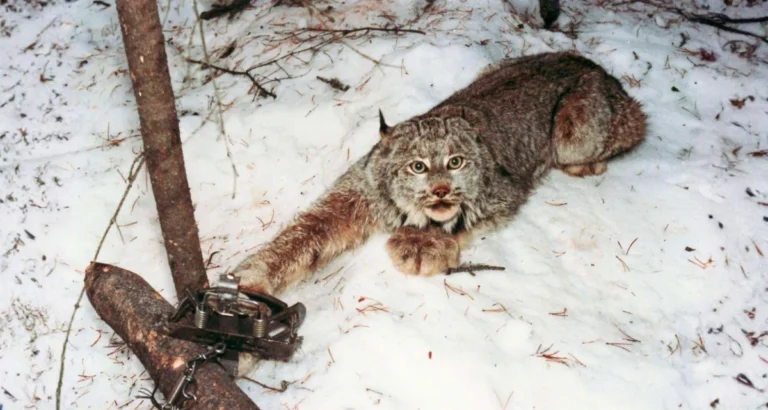
- Steel-jawed leghold traps and other body-gripping traps restricted by Colorado voters in 1996.
- Baiting bears with garbage or using hounds to bring them to bay, allowing hunters to shoot them at close range. Banned by Colorado voters in 1992.
- Shooting bears in spring when sows are nursing cubs. Banned by Colorado voters in 1992.
Predator Killing Is No Substitute for Science-Based Wildlife Management
The vague text of Amendment 83 does not appear accidental. Consider the priorities of groups promoting it. With no exception, they recycle the ancient, long-discredited superstition that predators need to be shot to generate more game. This has never worked.
In fact, as Aldo Leopold learned in the 1930s, it has devastated game. What’s more, predators are extremely vulnerable to hunting. Unlike their prey, they didn’t evolve the ability to maintain their numbers by fecundity.
Amendment 83 barker and main funder — the Wisconsin-based International Order of T. Roosevelt — warns that unless shot by hunters, “predatory wolves would drastically hinder the natural growth of the wildlife prey populations.”
Coloradans for Responsible Wildlife Management complains that wolf reintroduction “is now imposed on rural Western Slope communities that voted against it and live with the consequences every day.”
Tom Opre, founder and CEO of the Shepherds of Wildlife Society, argues that grizzlies need to be “managed” — i.e., killed — to benefit elk hunters. That’s a ridiculous statement, diagnostic of ecological illiteracy. Grizzlies have zero impact on elk numbers. Throughout virtually all their range, elk have populated to the point of exceeding state management objectives.
All these groups rail against wildlife management by “ballot box biology,” especially when it limits “traditional methods” of hunting and trapping. But they whoop it up for “ballot box biology” called Amendment 83.
Hunters, Wildlife Experts, and State Officials Sound the Alarm
Don’t take any of this from just me. Take it from fair-chase hunters, trained wildlife professionals and even the governor of Colorado, all of whom strongly oppose Amendment 83.
A coalition of fair-chase hunters called Colorado Hunters and Anglers for Sensible Wildlife Conservation
“The proposed amendment explicitly protects ‘traditional methods’ of hunting, while being careful not to define what ‘traditional methods’ means. That intentionally vague language is crafted to overturn the will of Colorado voters.”
Dr. Rich Reading, wildlife ecologist, member and former chair of the CPW commission
“On a personal level and as a professional wildlife biologist with more than 40 years of experience (and NOT as my role as an official Parks and Wildlife Commissioner, as the Commission does not take a stance on ballot initiatives), I oppose the proposed Amendment 83 to the Colorado state constitution. This amendment is NOT about the right to hunt, fish, and trap which are not under threat, but about who gets to decide wildlife management — likely the Courts if this vaguely worded amendment passes.
“That could roll back decades of management actions led by the wildlife professionals at Colorado Parks and Wildlife and by citizens through previous ballot initiatives. It would further handcuff future management options available to our wildlife professionals. I urge you to leave our constitution alone and vote NO on 83.”
Jay Tutchton, chair of the CPW Commission
“We will have years of uncertainty until we actually know what’s going to happen, and that uncertainty will get resolved one lawsuit at a time. It’ll be a lawyer bonanza, basically, which is a very ineffective way to manage wildlife.”
Jess Beaulieu, attorney and assistant director of the University of Denver Animal Law Program
“The central problem is not that the amendment protects hunting. It is that the terms it uses are so open-ended that no one can predict how courts will apply them.”
Rebecca Niemiec, CPW commissioner and associate professor in the Department of Human Dimensions of Natural Resources at Colorado State University
“The amendment would do something far more consequential — give hunting and fishing special constitutional priority while potentially undermining the public’s ability to adopt wildlife policies reflecting our shared values.”
Johnny Le Coq, production agriculture representative on the CPW Commission
“Colorado voters should vote no on Amendment 83. Hunting and fishing are already legal and protected in Colorado, so this measure adds no protection that sportsmen and women don’t already have. The ballot language is deceiving.
“It’s presented as protecting a ‘right,’ but it also writes into our constitution a policy that hunting and fishing are the preferred means of managing wildlife. Wildlife management in Colorado already rests with Colorado Parks and Wildlife and the scientists who do that work every day.
“Locking a management preference into the constitution takes decisions out of the hands of the people with the expertise to make them. Voting no on Amendment 83 is the responsible choice to properly manage and protect Colorado’s wildlife and the current rights afforded to all hunters and anglers in the state.”
21 bear biologists, wildlife scientists, and conservation professionals warning that Amendment 83 could reopen the door to bear baiting
“Feeding Bears Contradicts Modern Bear Management. Peer-reviewed research demonstrates that bear baiting can substantially alter bear feeding behavior. A Wisconsin study found that hunting bait accounted for more than 40% of the diets of sampled black bears. A 2024 scientific assessment identified food conditioning, defensive behavior at bait stations, and increased human–bear conflicts as important risks.
“For decades, wildlife agencies, including Colorado Parks and Wildlife, have warned against feeding bears: ‘A fed bear is a dead bear.’ Encouraging bears to consume human-supplied foods through baiting raises serious questions about consistency with this fundamental wildlife-management principle. These concerns are especially relevant in 2026. Drought and adverse weather have reduced natural bear foods across parts of Colorado, including berries, fruits, and Gambel oak acorns. During autumn hyperphagia, when bears urgently accumulate fat for winter, food shortages can drive hungry animals into communities. Colorado has experienced unusually high numbers of bear sightings and human–bear conflict reports this year.”
Colorado Governor Jared Polis
“Here’s the problem with Amendment 83: there are many other things people (including me) like to do outdoors, and this puts hunting above them all as the only one in our constitution. Coloradans hike, rock climb, mountain bike, camp, go river rafting and kayaking, ski, do trail running, go 4x4ing, and much more.
“While we do our best to support all of these wonderful ways to enjoy our great outdoors, elevating hunting above all the others means that when they come into conflict, hunting would always win out in the courts. So if there was a conflict between hunting and mountain biking, the courts would have to close off the area to mountain biking. Right now hunting has very strong legal protection in Colorado and that isn’t going anywhere. Putting this proposed language in the constitution is reckless and dangerous
“To be clear, I would also oppose putting a ‘right to bike’ or putting any other use of our outdoors above others in our constitution. There are many valid ways people enjoy the outdoors including hunting, and we do our best to balance them so everyone can enjoy themselves and we protect our land and natural resources.”
Hunting is at no risk in Colorado. In fact, it’s protected by state law. “Traditional methods” of ethical hunting in Colorado are threatened only in the minds of Amendment 83 proponents. The proposal is a solution looking for a problem.
Ted Williams, a lifelong angler and fair-chase hunter, writes exclusively about fish and wildlife. He serves on the Circle of Chiefs of the Outdoor Writers Association of America and is a former information officer for the Massachusetts Division of Fisheries and Wildlife.
Dear reader: If you support substantive policy work to protect animals, please consider donating to Animal Wellness Action here. You can give any amount one time, or make it a monthly gift, as many of our supporters do. Thank you for helping us fight for all animals.