Cockfighting Doesn’t Stop at the U.S. Border
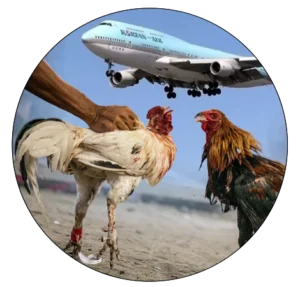
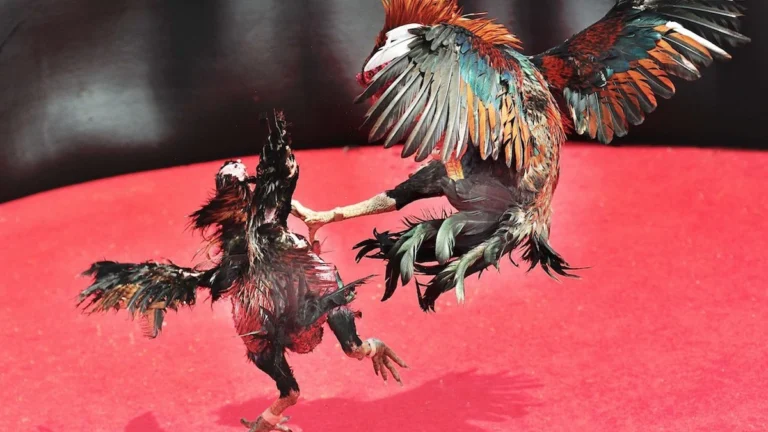
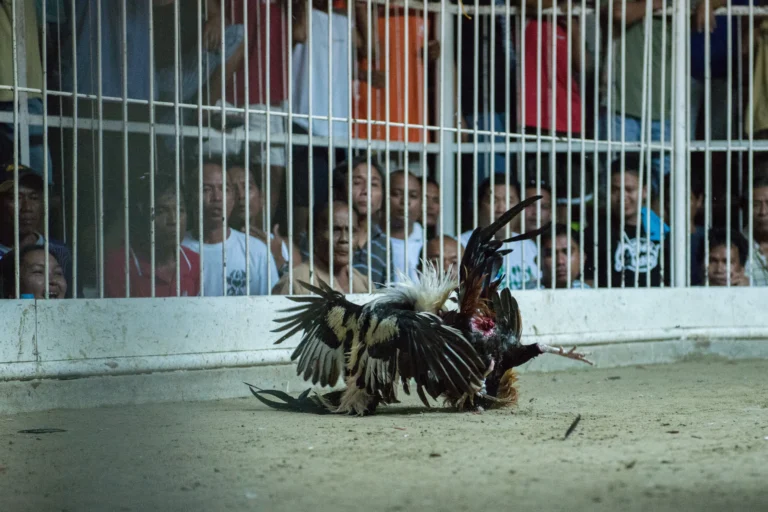
Cockfighting is illegal throughout the United States, and federal law prohibits the trafficking of animals for fighting. Yet American cockfighters continue to breed, sell, and ship birds into a lucrative international trade that supplies fighting pits across Asia, Latin America, and elsewhere.
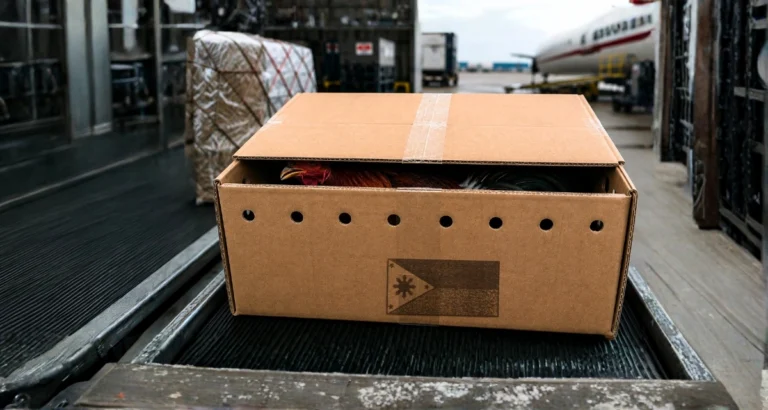
Investigations by Animal Wellness Action, the Center for a Humane Economy, and our partners have documented fighting birds moving from U.S. breeders into overseas markets aboard commercial aircraft. These are not ordinary agricultural shipments. Fighting roosters can command prices of $2,000 or more apiece, creating powerful financial incentives for traffickers to move birds thousands of miles to fighting operations abroad.
The Philippines alone is estimated to receive as many as 40,000 fighting birds from the United States each year, representing as much as $80 million in commerce for U.S. breeders and traffickers.
The Airlines Are a Critical Link in the Trafficking Chain
Cockfighters can raise and sell birds, but their international business depends on transportation.
Our investigations exposed how U.S.-raised fighting roosters were transported on commercial airlines to overseas destinations where cockfighting remains widespread. Without access to commercial aviation, this trade becomes dramatically more difficult and expensive to sustain at scale.
The investigations have already produced results.
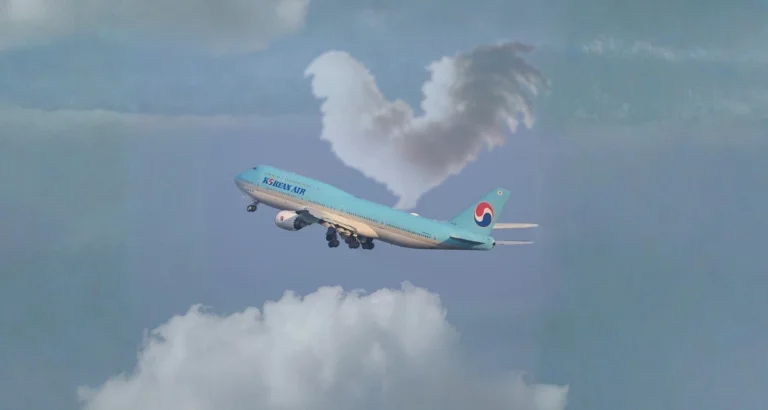
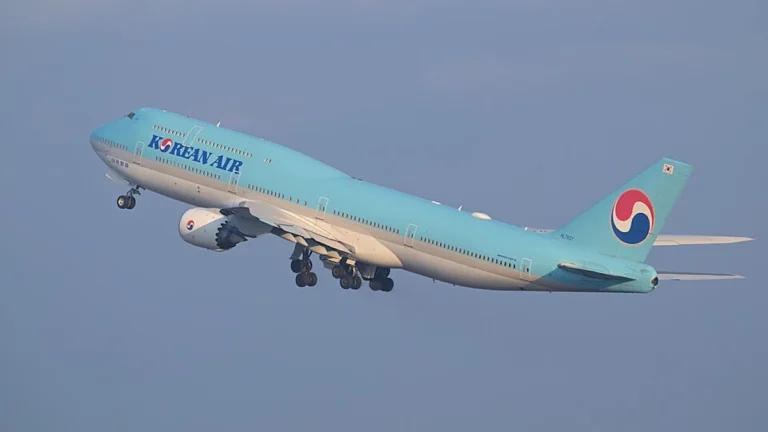
After Animal Wellness Action and the Center for a Humane Economy presented evidence of the trafficking network, Korean Air stopped accepting U.S. rooster shipments bound directly for the Philippines. That was an important breakthrough.
But traffickers adapted. Investigators subsequently documented birds being routed from the United States through Vietnam before continuing toward the Philippines, underscoring the weakness of airline-by-airline or route-by-route policies.
The No Flight, No Fight Act
The No Flight, No Fight Act, H.R. 7371, led by Rep. Troy Nehls, R-Texas, would restrict the commercial air transportation of adult roosters, establishing a clear front-end prohibition designed to keep fighting birds out of airline cargo systems. The measure has attracted bipartisan support.
The principle is simple:
If cockfighters cannot put their birds on airplanes, they cannot easily sustain a global trafficking network.
Stopping these shipments attacks the economics of cockfighting rather than waiting until birds arrive at fighting pits thousands of miles away.
It also gives airlines a straightforward standard: Don’t accept adult roosters for commercial air transport.
Learn about our campaign